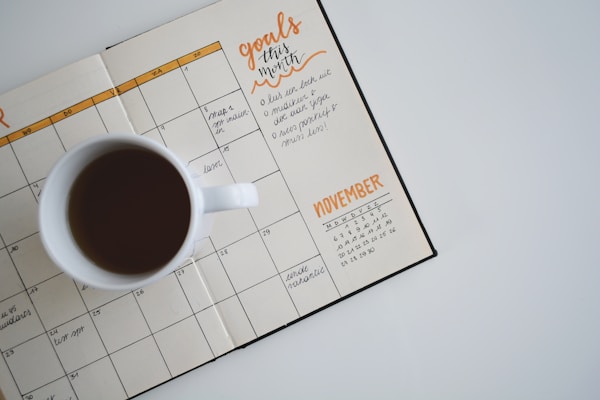
The night before an exam, panic sets in. You realize you don't know enough, you've run out of time, and you're not ready. This doesn't have to be your reality. With the right preparation strategy, you can walk into any exam feeling confident and prepared. This guide shows you how.
The 4-Week Exam Preparation Timeline
Week 4: Survey and Plan
- Review the syllabus and exam format
- Identify all topics that will be covered
- Gather all materials (notes, textbooks, practice problems)
- Create a study schedule
- Identify your weak areas
Week 3: Deep Learning
- Study each topic thoroughly
- Create summary notes
- Make flashcards for key concepts
- Work through practice problems
- Attend review sessions
Week 2: Active Practice
- Take practice tests under timed conditions
- Review mistakes thoroughly
- Focus on weak areas
- Create a formula/concept sheet
- Study with others
Week 1: Review and Refine
- Review all summary notes
- Do final practice tests
- Memorize key formulas/facts
- Get plenty of sleep
- Prepare exam materials
The 1-Week Crash Course
If you only have one week, focus on high-impact activities:
Days 7-6: Triage
- Identify the most important 20% of material
- Focus on topics most likely to appear
- Review past exams if available
Days 5-4: Intensive Study
- Study high-priority topics deeply
- Create condensed notes
- Practice problems extensively
Days 3-2: Practice Testing
- Take full practice exams
- Review all mistakes
- Fill knowledge gaps
Day 1: Light Review
- Review summary notes only
- Get good sleep
- Prepare materials
Creating an Effective Study Schedule
Calculate Your Available Time:
- Count days until exam
- Subtract days for other commitments
- Calculate realistic daily study hours
- Add 20% buffer for unexpected events
Allocate Time by Topic:
- Weak areas: 40% of time
- Medium areas: 35% of time
- Strong areas: 15% of time
- Practice tests: 10% of time
Active Study Techniques for Exams
Practice Testing
The single most effective exam preparation technique. Take practice tests under real exam conditions:
- Same time limit
- No notes or resources
- Same environment (quiet, desk)
- Review mistakes thoroughly
The Feynman Technique
Explain concepts in simple terms as if teaching someone else. If you can't explain it simply, you don't understand it well enough.
Spaced Repetition
Review material at increasing intervals. Don't cram everything the night before.
Interleaving
Mix different topics in one study session instead of blocking by topic. This improves discrimination and retention.
Creating Effective Study Materials
Summary Sheets
Condense each topic onto one page:
- Key concepts and definitions
- Important formulas
- Common mistakes to avoid
- Quick examples
Formula Sheets
Create a master list of all formulas with:
- The formula itself
- What each variable means
- When to use it
- A simple example
Concept Maps
Visual diagrams showing how concepts relate to each other. Perfect for seeing the big picture.
Flashcards
For memorization of facts, definitions, and formulas. Use spaced repetition apps like Anki.
Subject-Specific Strategies
For Math and Science:
- Work through every practice problem
- Understand the process, not just the answer
- Create a formula sheet
- Practice under time pressure
- Review common mistakes
For Essays and Humanities:
- Create outlines for potential essay questions
- Memorize key quotes and examples
- Practice writing timed essays
- Understand themes and connections
- Prepare thesis statements
For Multiple Choice:
- Learn to eliminate wrong answers
- Watch for absolute words (always, never)
- Practice with similar question formats
- Time yourself on practice tests
- Review why wrong answers are wrong
The Night Before
Do:
- Light review of summary notes
- Review formula sheet
- Prepare all materials (pens, calculator, ID)
- Set multiple alarms
- Get 7-9 hours of sleep
Don't:
- Try to learn new material
- Stay up all night cramming
- Drink excessive caffeine
- Panic about what you don't know
- Compare yourself to others
Exam Day Strategy
Morning Routine:
- Wake up 2 hours before exam
- Eat a protein-rich breakfast
- Light review (10-15 minutes max)
- Arrive 15 minutes early
- Avoid anxious classmates
During the Exam:
- Read all instructions carefully
- Scan the entire exam first (know what's coming)
- Budget your time (divide by number of questions)
- Start with easy questions (build confidence)
- Mark difficult questions (come back later)
- Show your work (partial credit)
- Check your answers (if time permits)
Time Management:
- Allocate time per question based on points
- Don't spend too long on any one question
- Leave 10 minutes for review
- If stuck, move on and come back
Managing Test Anxiety
Before the Exam:
- Practice relaxation techniques
- Visualize success
- Prepare thoroughly (confidence comes from preparation)
- Get adequate sleep
- Exercise regularly
During the Exam:
- Deep breathing (4-7-8 technique)
- Positive self-talk
- Focus on the question, not the outcome
- Take mini-breaks (close eyes, stretch)
- Remember: one exam doesn't define you
Common Exam Mistakes to Avoid
Mistake 1: Starting Too Late
Fix: Begin studying at least 2 weeks before the exam.
Mistake 2: Passive Reading
Fix: Use active study techniques like practice testing and self-explanation.
Mistake 3: Not Practicing Under Exam Conditions
Fix: Take full practice tests with time limits.
Mistake 4: Neglecting Sleep
Fix: Prioritize 7-9 hours of sleep, especially the night before.
Mistake 5: Studying Everything Equally
Fix: Focus more time on weak areas and high-value topics.
After the Exam
Immediate Post-Exam:
- Don't discuss answers with classmates (causes unnecessary anxiety)
- Reward yourself for completing it
- Rest and recover
When You Get Results:
- Review what you got wrong
- Identify patterns in mistakes
- Adjust study strategies for next time
- Celebrate successes
- Learn from failures without dwelling
Building Long-Term Exam Success
Throughout the Semester:
- Review notes after each class
- Stay on top of assignments
- Ask questions when confused
- Form study groups early
- Create summary notes as you go
Continuous Improvement:
- Track what study methods work best
- Refine your approach each exam
- Build a personal formula sheet template
- Develop consistent routines
Conclusion: Preparation Beats Panic
Exam success isn't about last-minute miracles—it's about systematic preparation. Start early, study actively, practice extensively, and take care of yourself. With the right approach, you can transform exam anxiety into exam confidence.
Your next exam is an opportunity to prove what you know. Prepare well, and you'll succeed.
Ace Your Exams with Socranotes
Socranotes helps you prepare for exams with AI-generated practice questions, flashcards, and study guides from your notes.
Start Preparing Smarter